
When Verified Isn’t Safe: How Fraudsters Bypass Caller Trust
Verification frameworks authenticate caller identity, but fraudsters have learned to exploit the trust those systems create. This article examines how “verified” calls bypass defenses and what it takes to rebuild trust.
According to the Public Interest Network, over a recent 12-month period, phone scams cost Americans an estimated $25.4 billion, affecting more than 56 million people. These are not just missed calls or blocked numbers. These are “accepted” calls where trust was successfully exploited.
The caller ID showed verified. The attestation passed. By every technical measure, these calls looked legitimate, and that’s exactly the problem.
Verification frameworks like STIR/SHAKEN were built to restore trust by authenticating caller identity. They’ve succeeded at that goal–but fraud has evolved around them. Today’s attackers work within verification systems, using verified numbers, trusted routes, and synthetic identities that age into legitimacy.
The result is a growing class of calls that pass authentication but carry malicious intent. Enterprises accept them. Carriers route them. Consumers answer them. This article examines how fraudsters bypass caller trust even when verification works, explores the tactics that make verified calls unsafe, and outlines what it takes to rebuild trust when the checkmark alone is insufficient.
What Caller Verification Really Promises
Call authentication frameworks confirm that a phone number belongs to the entity placing the call. When a carrier signs a call with STIR/SHAKEN attestation, it’s verifying the caller’s right to use that number at that moment.
Here’s what that means in practice: A bank calls a customer from its registered line. The framework confirms the number genuinely belongs to the bank. The call displays as verified. What it doesn’t confirm is whether the person placing the call actually works for the bank, whether the number was compromised, or whether the route passed through trusted networks. Authentication answers “is this number legitimate?” It doesn’t answer “is this call safe?”
How Fraudsters Weaponize Trust
In 2020, criminals in the United Arab Emirates used deepfake technology to clone an executive’s voice and called a bank manager who knew the executive personally. The manager authorized transfers totaling $35 million.
Modern fraud exploits trust rather than breaking verification systems. Three techniques define the playbook:
- Metadata Manipulation: Fraudsters abuse gaps in routing metadata, making calls appear as though they’ve passed legitimate checks even when the origin is masked or rerouted through untrusted hubs.
- Synthetic Caller Identities: Attackers build new identities rather than stealing them, accumulating benign activity over time until the persona appears trustworthy enough to activate for high-impact fraud.
- Trust Hopping Fraud: Criminals intentionally route traffic through regions with historically low fraud reports, inheriting reputation from “clean” countries to bypass risk models.
How Verification Enables Verified Calls Fraud
Verification frameworks and telecom compliance tools operate within defined parameters. They confirm caller identity at the moment of attestation. They don’t track how a number was acquired, whether it’s been compromised since registration, or if the routing path has been deliberately obscured.
This creates a gap between authentication and safety. A call can pass every technical check while carrying malicious intent. The number might be legitimate, purchased legally, and aged through months of benign activity before activation in a fraud campaign.
Enterprises and carriers often treat verified calls as low risk by default. Security teams focus resources elsewhere. Meanwhile, attackers have learned that working within verification frameworks is more effective than circumventing them. The system confirms identity, but it doesn’t evaluate intent.
Malta’s Unexpected Fraud Footprint
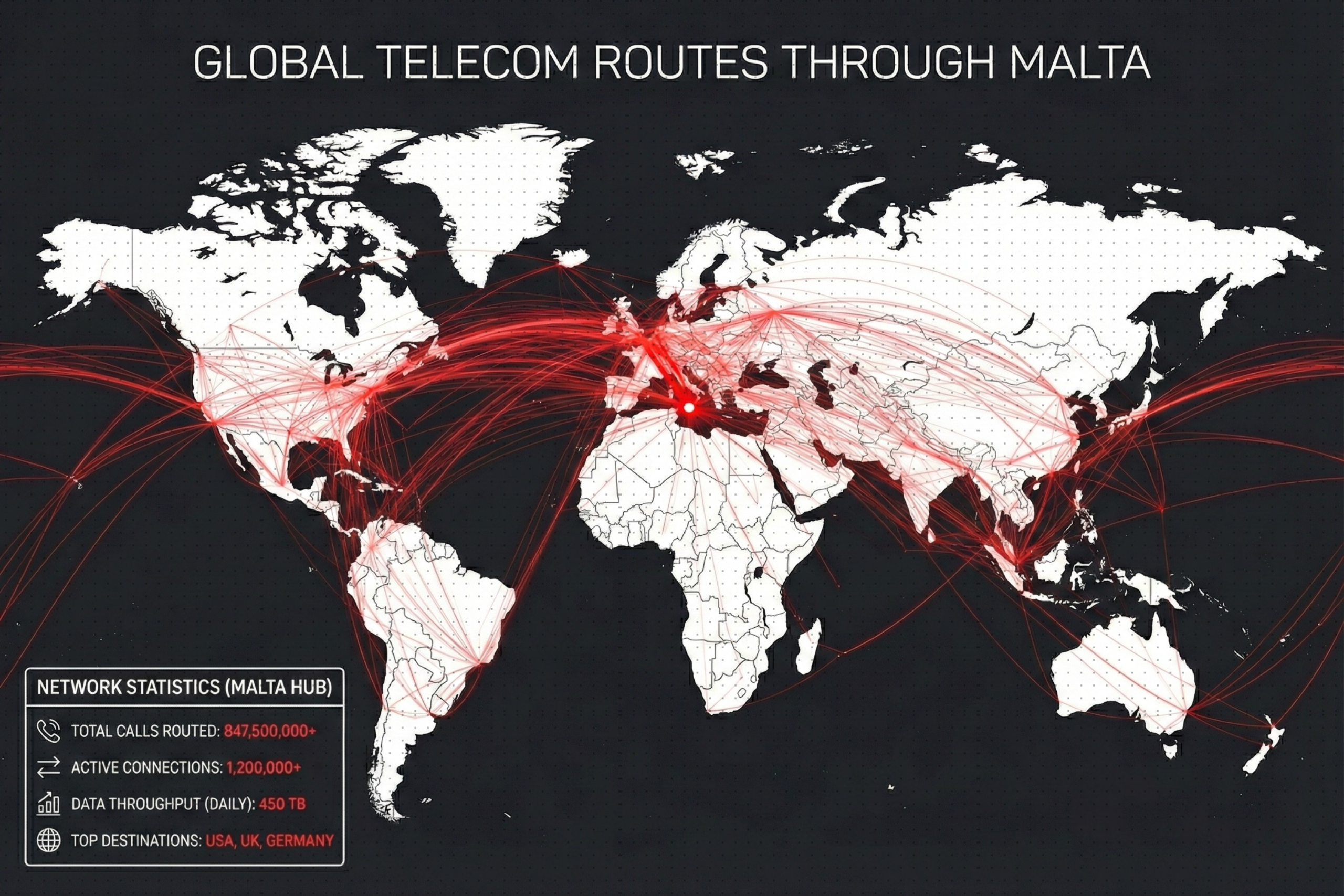
Malta’s position in European telecom infrastructure makes it a persistent point of concern for fraud analysts. Despite its size, the island serves as a dense routing hub connecting Mediterranean and European networks.
The Country’s Fraud Landscape
The country hosts numerous premium-rate number ranges and maintains extensive interconnection agreements with major carriers. This creates both legitimate business opportunities and exploitable routing pathways.
Emerging Fraud Trends
Malta has long been associated with IRSF activity, particularly premium-rate schemes. Island routing vulnerabilities apply here as well. Fraudsters use Malta’s infrastructure to route calls that inherit European trust signals, bypassing risk models focused on traditionally high-fraud regions.
Case Illustration
A verified call routes through Malta to reach a North American enterprise. Because Malta operates within European regulatory frameworks, the call appears legitimate. The number passes attestation, but the Maltese route masks the call’s true origin and intent.
Bypassing Defenses: The How and Why
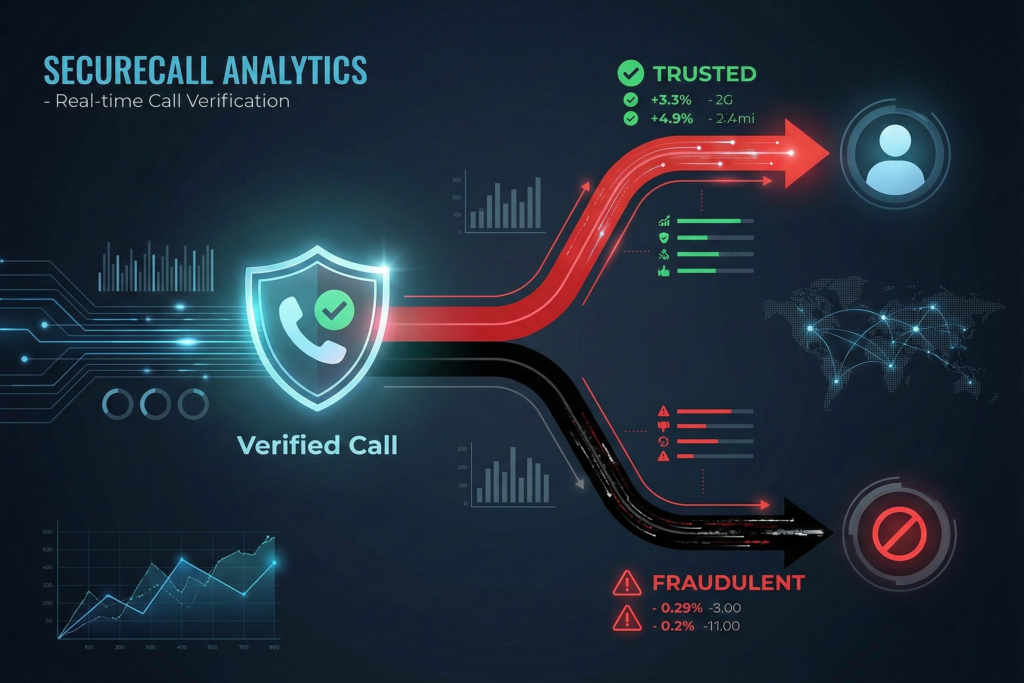
Verification confirms identity, but fraudsters exploit the layers beyond attestation. Call forwarding chains maintain valid signatures while obscuring actual origins. SIM box operations blend trusted and untrusted traffic—making detection difficult for standard Fraud Management System tools that rely on binary risk classifications.
Dormant verified numbers purchased on underground markets provide clean histories until activation. Regional routing quirks create false positives where legitimate-looking paths mask malicious intent.
Many network defenses prioritize blocking obvious threats while allowing verified calls through with minimal scrutiny. The result is fraud that succeeds precisely because it appears legitimate at every checkpoint designed to stop it.
Red Flags CSPs Must Watch For
Not all verified calls are equal. Certain patterns should trigger additional scrutiny, even when attestation appears intact.
- Sudden spikes in traffic from historically low-volume routes: Fraud campaigns often test a “clean” route before scaling. Anomalies in route volume usually precede larger attacks, even when verification checks pass.
- Verified calls paired with unusual call behavior patterns: Repeated very short calls, repetitive probing attempts, or clusters of missed calls can indicate IRSF or Wangiri-style setups. The Global System for Mobile Communications Association (GSMA) has documented these patterns extensively in its fraud reporting frameworks.
- Calls routed through unexpected regions: When inbound verified calls consistently pass through unlikely transit points, including small island nations like Malta, this often signals intentional trust hopping. The route itself becomes the red flag, not the number.
How 1Route Strengthens Caller Trust
If verification alone can’t guarantee safety, what can carriers and enterprises actually do to protect their networks and users?
The answer lies in layered defense strategies that treat verification as a starting point rather than a conclusion. Building trust requires combining identity confirmation with behavioral analysis, route intelligence, and real-time decision-making.
- Deploy Real-Time Fraud Blocking Layered on Verification Systems
Verification confirms who a caller claims to be. Fraud Management Systems evaluate whether that caller is behaving as expected. These systems should analyze call patterns in real time, flagging anomalies like sudden volume spikes or unusual forwarding chains before calls reach end users.
- Implement Route Analytics and Regional Monitoring
Not all routes carry equal risk. Carriers should monitor traffic patterns through regions like Malta, tracking whether verified calls consistently pass through unexpected transit points. The European Union Agency for Cybersecurity has emphasized the importance of cross-border cooperation in identifying routing anomalies that indicate trust hopping fraud.
- Enrich Metadata to Fill Attestation Gaps
Attestation data confirms the caller’s identity at one moment. Metadata enrichment adds context: How long has this number been active? What’s its historical call pattern? This additional layer helps distinguish legitimate verified calls from those weaponizing clean identities.
4. Align Fraud Teams with IT and Security Functions
Fraud prevention can’t operate in isolation. When fraud analysts work alongside network operations and security teams, they can correlate suspicious caller behaviors with broader threat intelligence, enabling faster response to emerging tactics.
5. Leverage Cross-Border Intelligence and Clearinghouse Data
Individual carriers see only their own traffic. Clearinghouses and fraud intelligence networks provide visibility into patterns across multiple operators, revealing coordinated campaigns that might appear benign within a single network.
What’s Next in Preventing Verified Calls Fraud?
Caller trust is evolving beyond binary authentication toward frameworks that evaluate intent alongside identity. The next generation of fraud prevention will combine multiple signals: not just whether a number is verified, but whether the call’s behavior aligns with legitimate patterns.
AI-driven anomaly detection is already enabling carriers to analyze cross-border routing in real time. When a verified call suddenly routes through three unexpected countries, advanced systems can flag it even when attestation passes.
Regional intelligence will become more sophisticated. Malta and similar transit hubs will be monitored for pattern recognition, identifying when legitimate infrastructure is being exploited for trust hopping.
Enterprises will increasingly demand more than verification checkmarks. They’ll want behavioral scoring and real-time risk assessments. The question won’t be “was this call verified?” but “does this call deserve trust?”
Trust Requires More Than a Checkmark
The verified checkmark was meant to restore confidence in caller ID. It succeeded at confirming identity. What it couldn’t do was confirm intent.
Fraudsters have adapted. They work within verification frameworks, using legitimate numbers, trusted routes, and patient campaigns that accumulate credibility over time. The result is a growing class of calls that pass every technical checkpoint while carrying malicious purpose.
True caller trust requires more than attestation. It demands real-time behavioral analysis, route intelligence, and cross-border collaboration. Verification confirms who a caller claims to be. Trust systems must also evaluate how that caller behaves, where the call has traveled, and whether the pattern aligns with legitimate activity.
The telecom industry has made significant progress in authentication. The next frontier is building frameworks that distinguish verified identities from trustworthy ones.
If your team wants to understand how these patterns show up in real-world traffic, 1Route can walk through the data with you.
